
Challenge
Problems with Rising Electricity Costs
Industrial companies face rising energy prices and constantly changing market conditions. Without intelligent management, they are often forced to buy electricity at unfavorable prices, resulting in unnecessary financial losses. Key challenges include:
- Fluctuating electricity prices on the spot market — without proper timing of consumption, companies overpay unnecessarily.
- Inefficient use of renewable sources — surpluses from photovoltaic or wind power plants are often not stored effectively.
- Limited ability to optimize consumption — without smart management, companies cannot flexibly respond to energy needs.
Our EMS platform addresses these challenges by enabling automated management, advanced analytics, and predictive optimization of electricity consumption.
Solution
Intelligent EMS Platform for Managing Battery Energy Storage Systems
Our EMS platform addresses these challenges by enabling automated management, advanced analytics, and predictive optimization of electricity consumption.
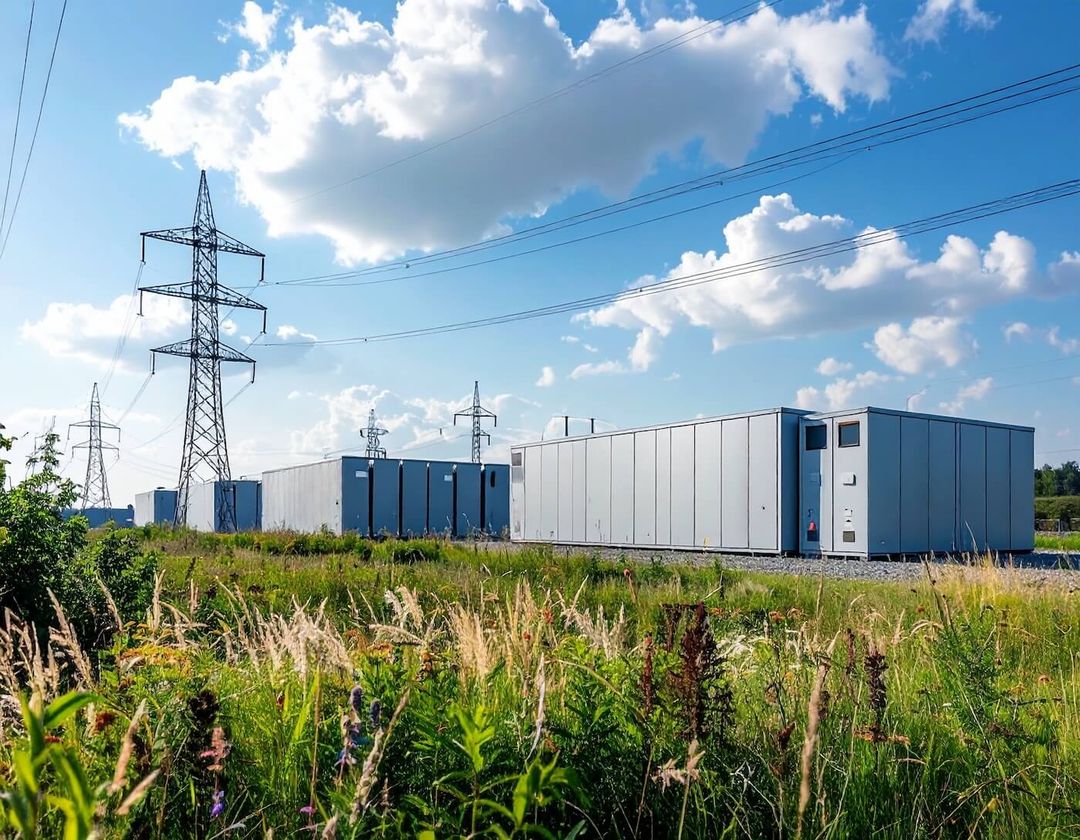
Battery energy storage systems (BESS) are becoming a key element of modern energy management. They enable the optimization of electricity consumption, cost reduction, and active trading on the spot market. However, for BESS to operate with maximum efficiency, intelligent management is essential — one that can respond to price changes in real time, predict consumption, and automatically adjust battery charging and discharging.
Our EMS (Energy Management System) platform delivers a complete solution for monitoring, automating, and optimizing BESS management, allowing industrial companies to actively manage their energy strategy and minimize operating costs.
Automatic Charging and Discharging Control
The system tracks current electricity prices on the spot market and automatically decides when it is advantageous to charge the battery or supply energy to the grid.
Predictive Analysis of Consumption, Production, and Prices
Based on historical data and current trends, the platform evaluates the ideal energy usage strategy, helping to minimize costs.
Integration with Renewable Sources
The battery can effectively store surplus energy from photovoltaic or wind power plants and use it in a controlled way during periods of higher demand.
Remote Management and Reporting
Users get a complete overview of operations through clear dashboards that display the current status of the storage system, forecasts, and achieved savings.
- Benefit
Lower Electricity Bills
Optimized consumption management allows energy to be purchased at the lowest prices and used efficiently.
- Benefit
Flexibility and Energy Independence
The ability to respond instantly to price fluctuations and dynamically manage energy consumption.
- Benefit
More Efficient Use of Renewable Sources
Maximum use of solar and wind energy, reducing dependence on external supplies.
- Benefit
Automation Without the Need for Intervention
The EMS ensures autonomous BESS operation, eliminates manual control, and reduces the error rate.
Conclusion
Smarter Energy Management Through Connected Systems
By integrating an EMS, industrial companies can actively influence their electricity costs, use the spot market to their advantage, and minimize losses associated with inefficient energy handling. Smart battery storage systems are thus becoming an essential element of modern energy management.